The disadvantages of microcement
- Craftsmanship is decisive. The result depends on the preparation and the top coat. A poor application shows as stains, hairline cracks or leaks.
- Scratch sensitivity. A fine line such as Classic can scratch from sand or chair legs. Felt pads and a doormat help, and for busy floors we choose Plus or Tarkus.
- Drying time. Every layer has to dry, so allow several days per room.
- Top coat maintenance. After a number of years you will want the top coat refreshed, especially in wet rooms.
- No two floors are the same. The cloudy effect is handwork. If you want a uniform, factory made surface, tiles are a better fit.
The advantages of microcement
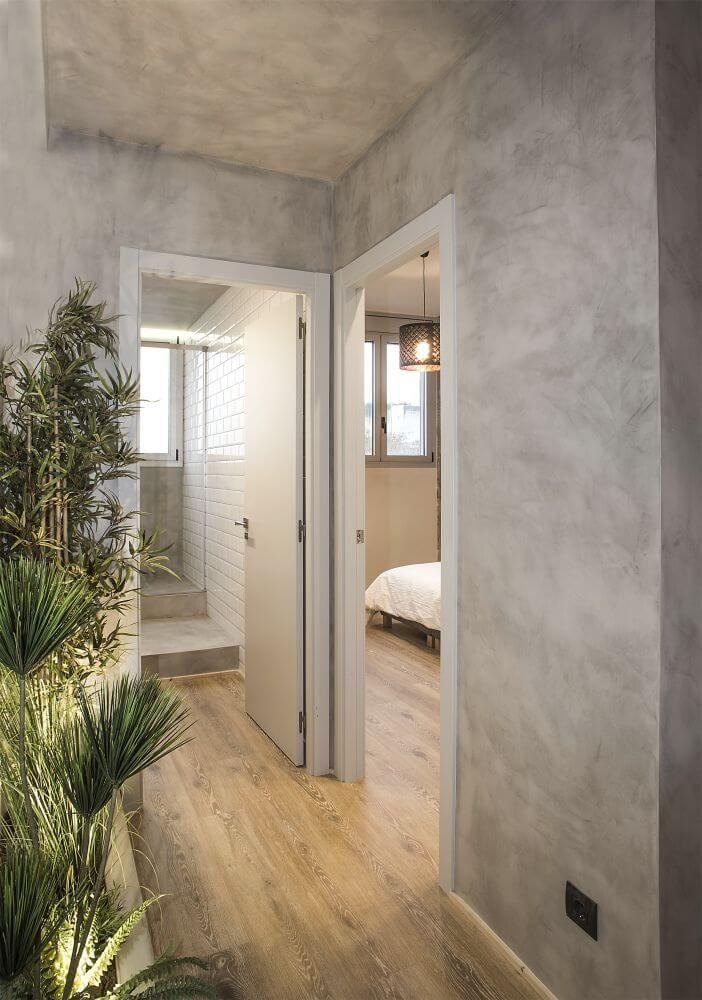
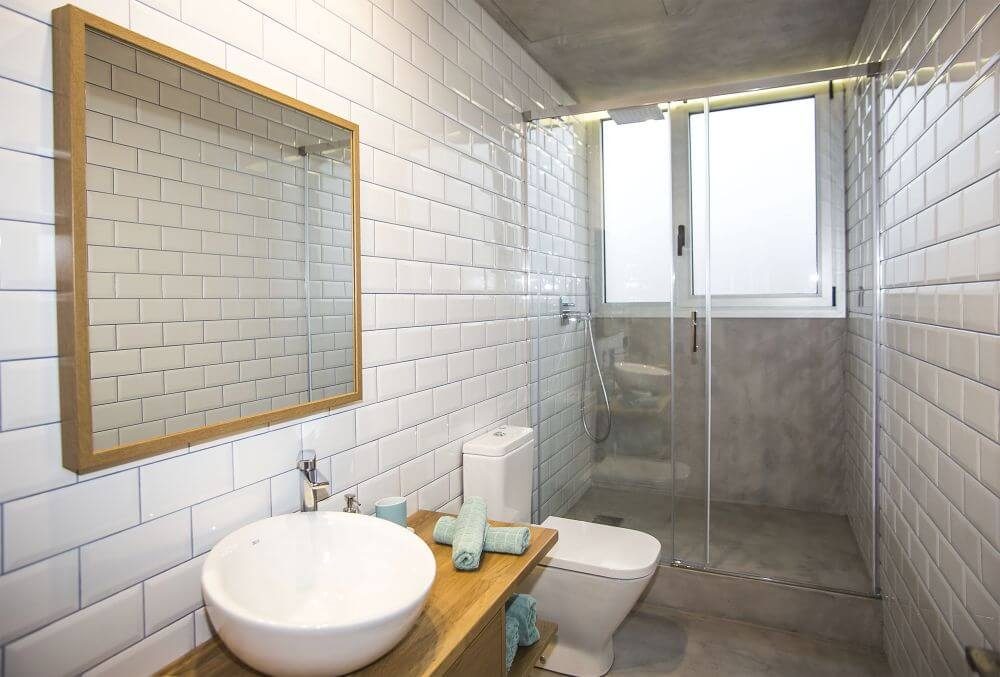
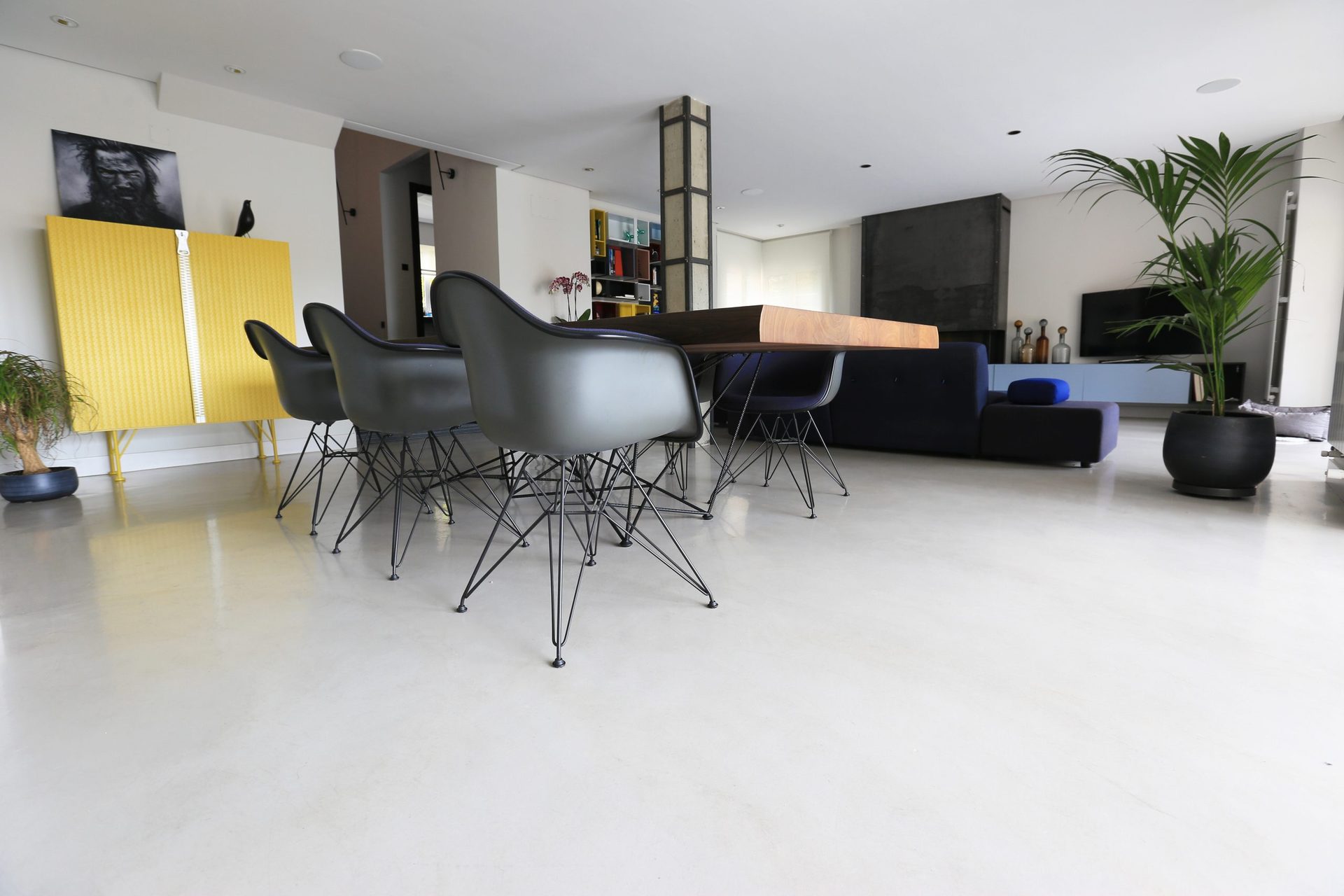
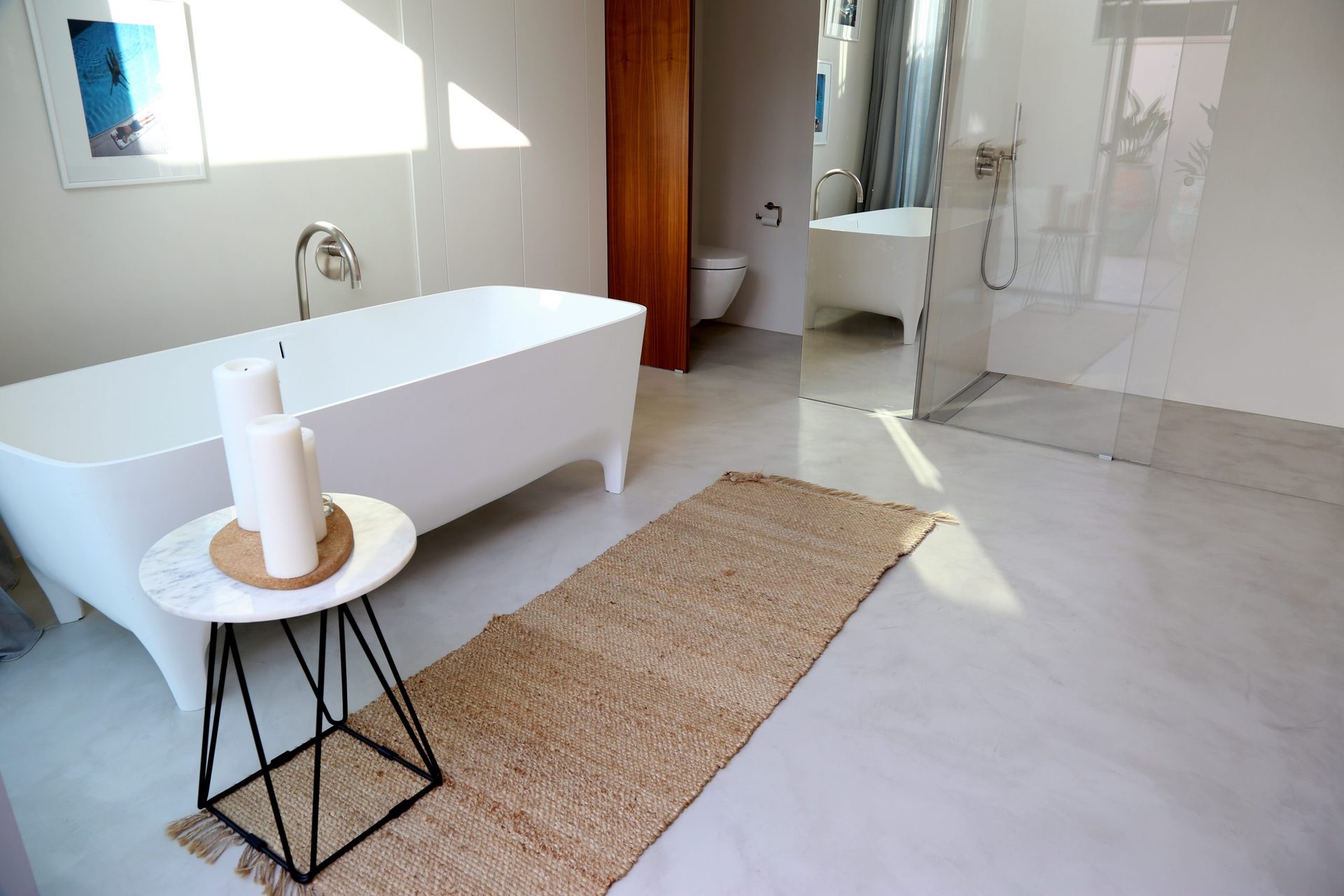
- Seamless. One continuous surface without joints, also in the bathroom.
- Thin. Two to five millimetres, so no changes to doors or thresholds.
- No demolition. Straight over tiles, concrete, anhydrite and plaster.
- Waterproof after sealing, suitable for shower and kitchen.
- Underfloor heating is no problem, the thin layer conducts heat well.
- Forty colours and five textures, combinable indoors and out.
Who is microcement for, and who not?
Microcement suits people who love a calm, natural and unique finish and who want a renovation without demolition. It suits less well if you want a perfectly uniform surface without pattern, or rooms where sharp objects are dragged across the floor without protection.
Not sure? Visit our home showroom and feel the difference between the lines.